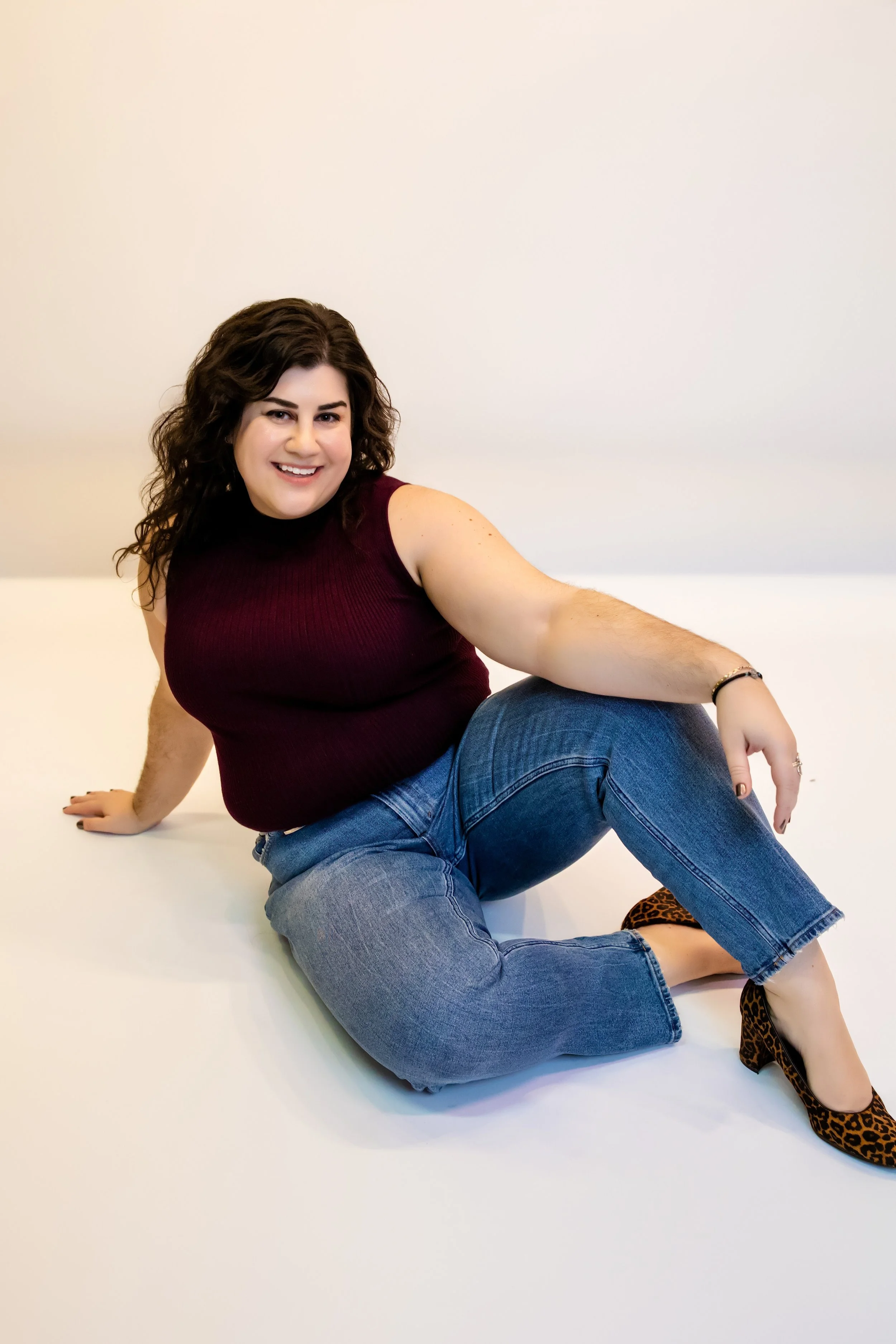
Hi, I’m Alexa
I'm on a mission define what editorial leadership looks like in the next era of brand building to inform how brands build, communicate, and create meaning.

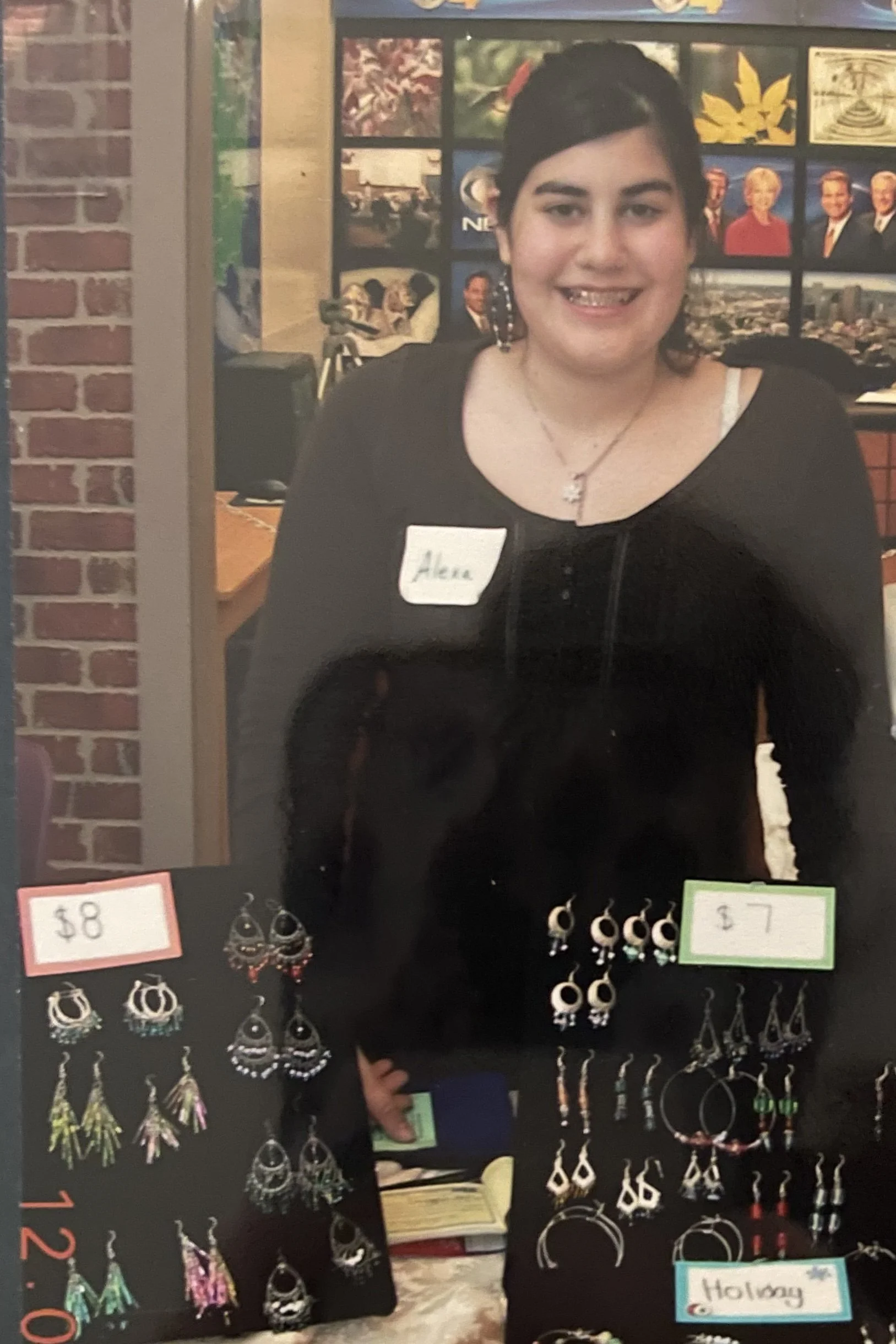
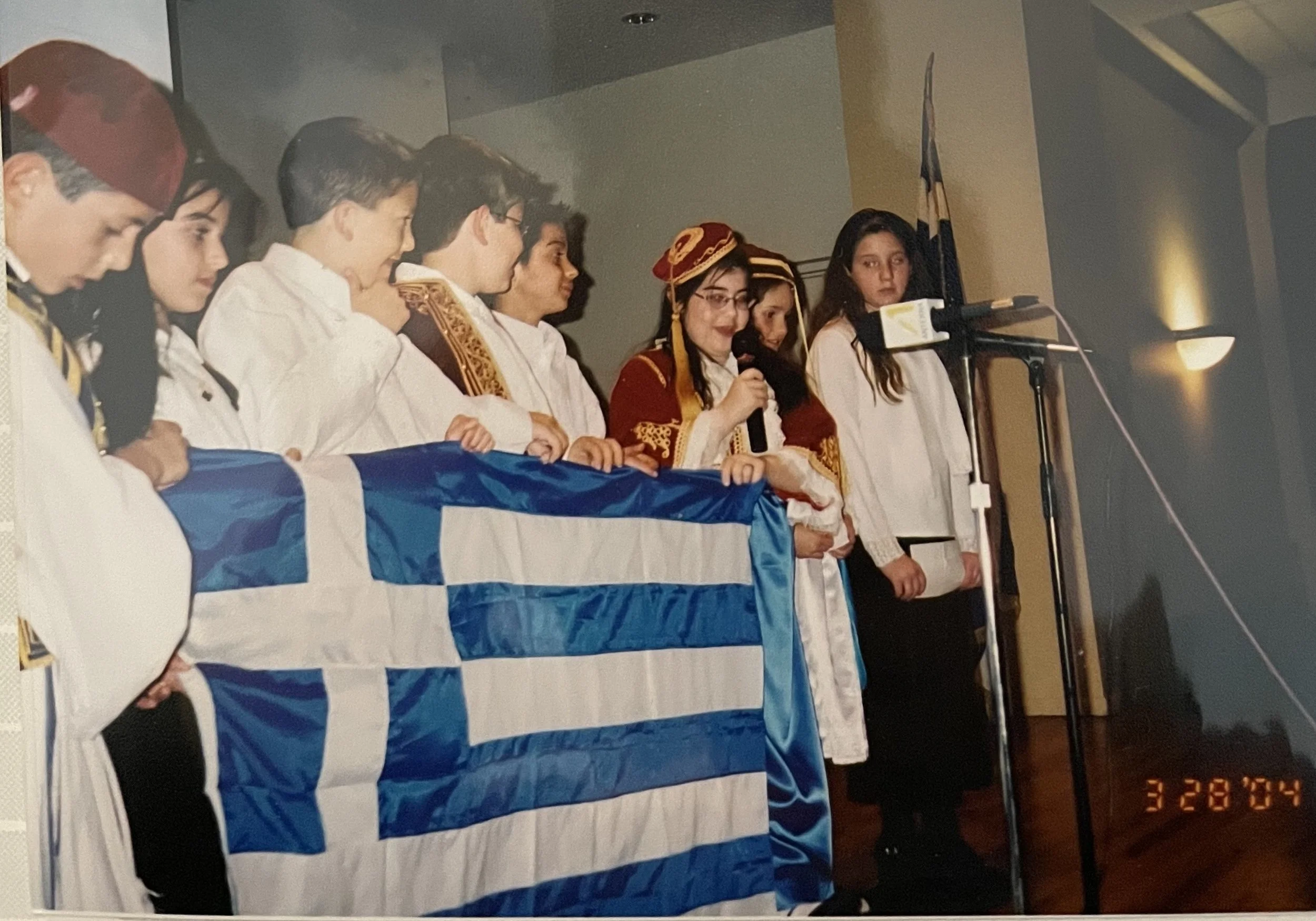
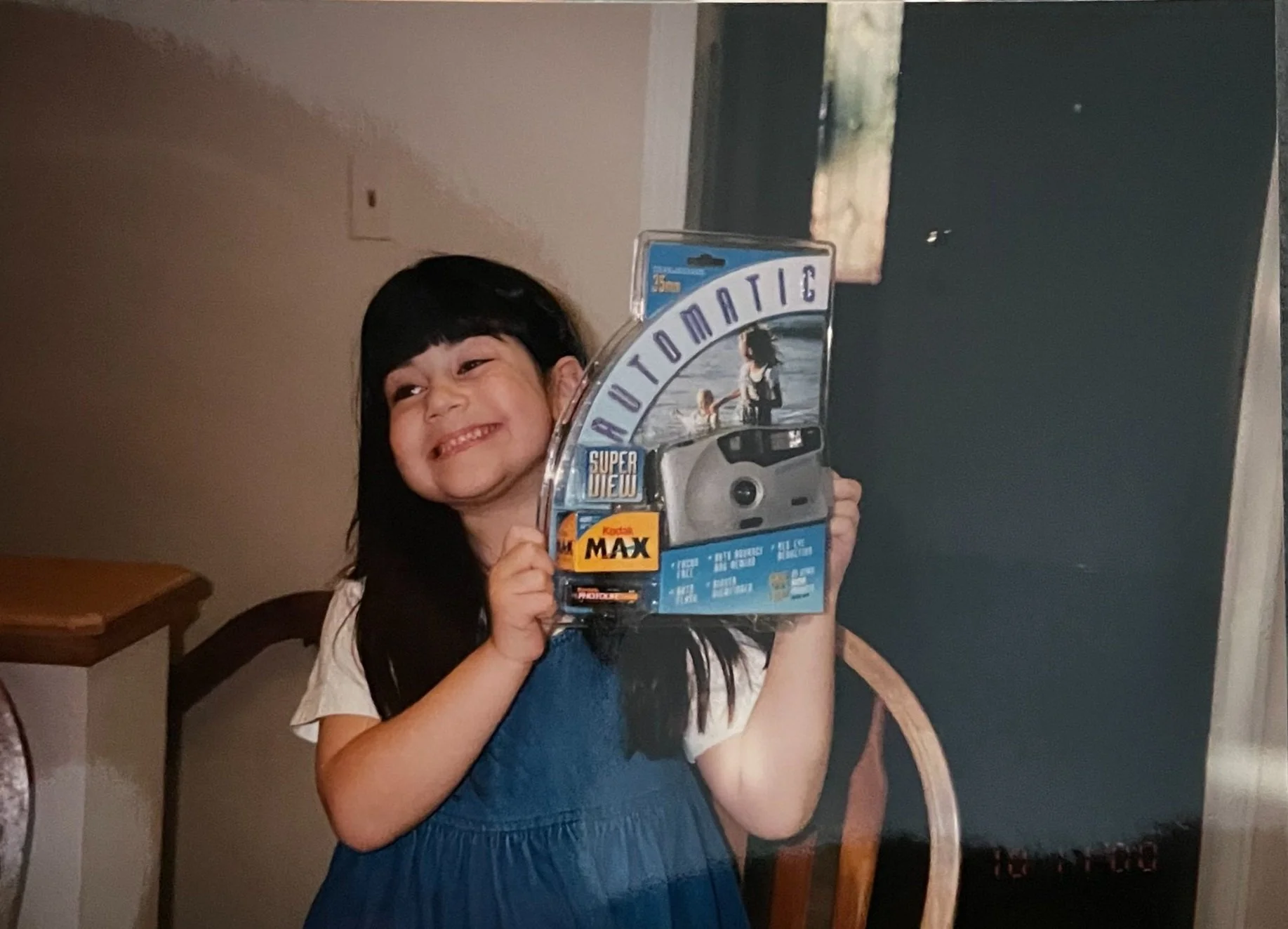
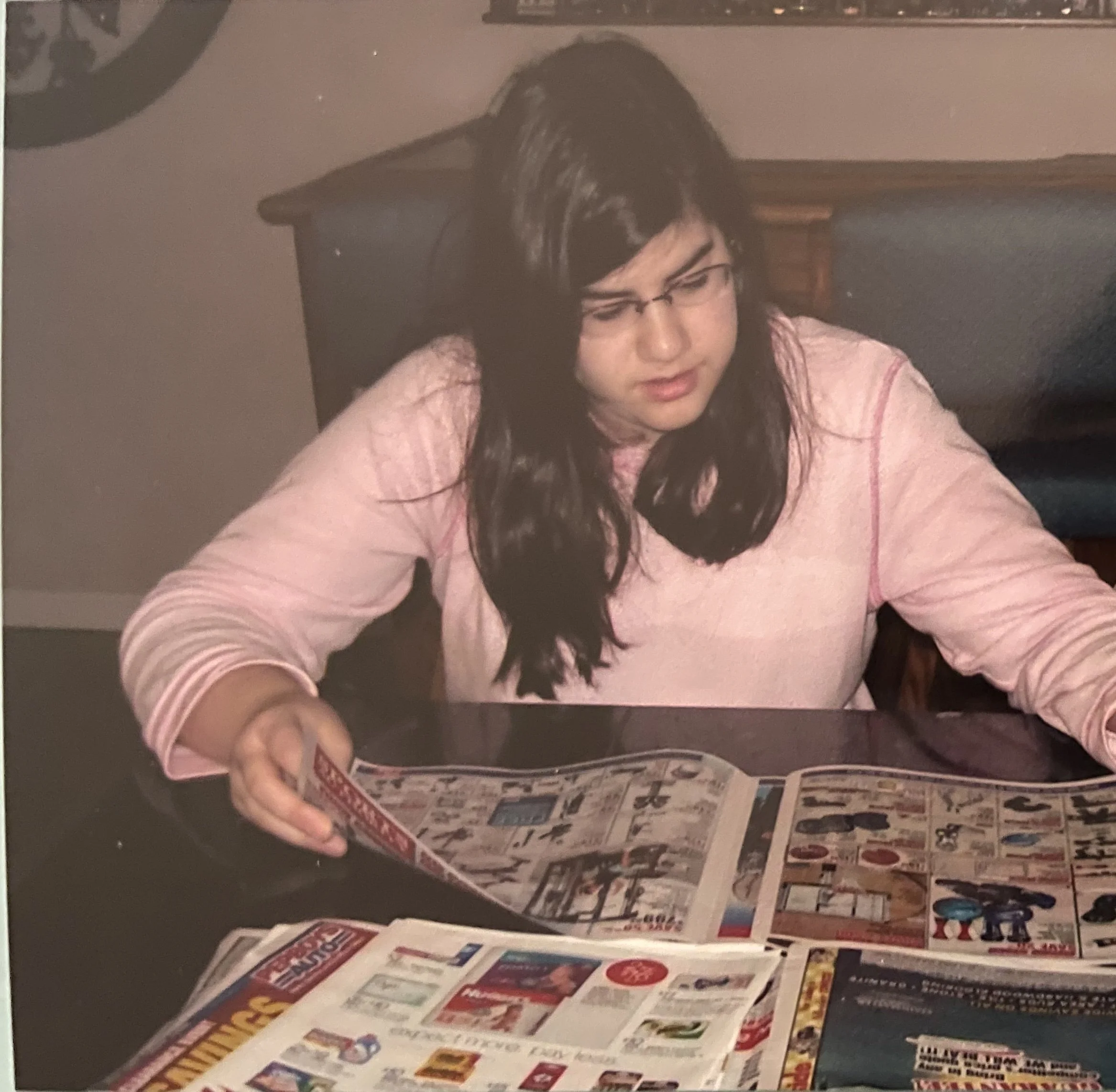
My Origin Story
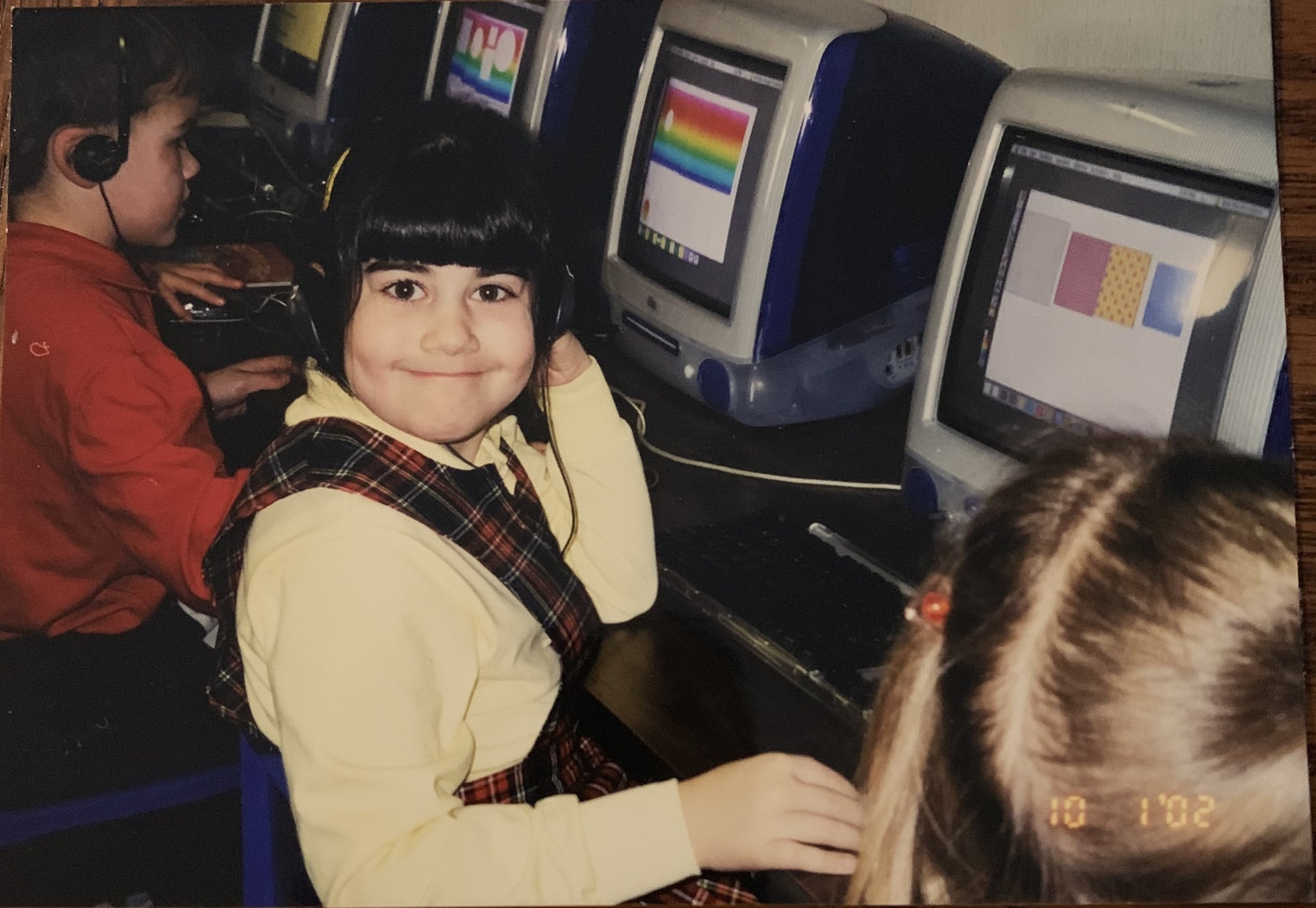
To understand my story, we need to start at the beginning.
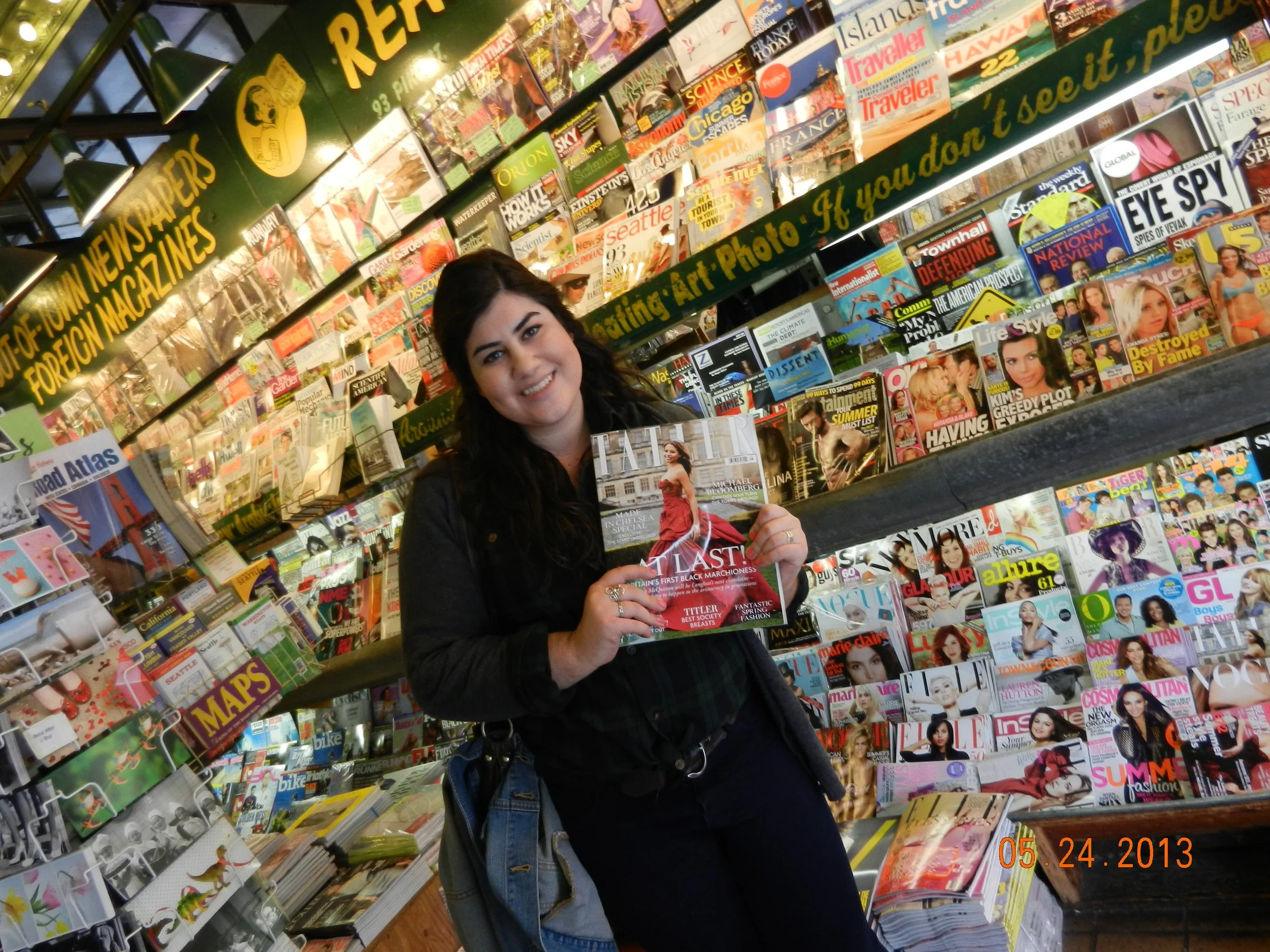
For as long as I could remember, I’ve been fascinated by all things media, culture, and technology. I collected magazines and CDs. I was an early adopter of social media. I always knew which shows, celebrities, movies, TV shows, and books were the hottest.
Then, I started writing. When I was 18, I started my very first blog—Stylenomics 101—and never turned back.
For the last 10+ years, I’ve worked at the intersection of marketing, journalism, and brand strategy to build content engines that help brands tell their stories. For most of that time, I watched companies treat content like a task to be completed rather than a discipline to be developed.
The pattern I kept seeing was the same: brands investing in production while ignoring everything that gave content meaning—original thinking, point of view, and editorial judgment that turns content into culture.
So, I stopped trying to fit that observation into someone else's framework and started building my own.
The result is a portfolio career spanning consulting, writing, and media, with the goal of defining what editorial leadership will look like in the next era of brand building.
In my consulting practice, I work with startups, mid-market, and enterprise brands to install editorial intelligence as a core strategic capability, helping them own their positioning, grow their audience, and drive real pipeline. As a writer, I explore how the media we consume and create is a key driver in building culture and identity. And finally, Culture Slant is my media company that covers how media, technology, and culture collide and what those shifts mean for brands, creators, and people building influence in public.
-
M.S. Marketing, Brand Communications in the Digital Era
University of Colorado Denver
2020
B.A. Journalism & Media Communication
Minors: Fashion Merchandising, Business Administraion
Colorado State University
2016Description text goes here
-
Freelance Writer @ Sprout Social, Primer.ai, Microsoft, PrimoStats, Shopify, Endava, LuccaZara, The Freelance Creative, Endava, Adobe, Deloitte, Scholastic, Posit, Domino Data Labs
Fractional Marketing Consultant @ PTO Exchange, Batten, Woven
Social Media Manager @ Cloud Software Group (TIBCO Software)
Sr. Content Marketing Specialist & Social Media Manager @ Cloud Software Group (TIBCO Software)
-
AI tools
B2B & B2C SaaS
Brand strategy
Content strategy
Content marketing
Content design
Content development
Content & media production
Creative direction & strategy
Customer marketing & research
Data analysis
Demand generation
GTM strategy
Market research
Marketing campaigns
Messaging & positioning
Product marketing
Project management
Sales enablement
SEO/AEO/GEO
Social media marketing
Team leadership
Thought leadership
Transmedia storytelling
Writing & editing
My Work Philosophy
Most brands don't have a content problem. They have a thinking problem.
They're producing more than ever, moving faster than ever, and still struggling to articulate what they actually stand for in a way that lands consistently everywhere they show up. The volume is there. The clarity isn't. And no amount of content production closes that gap if the underlying narrative architecture was never built in the first place.
That's the problem I've spent my career learning to solve.
I came up through journalism, which means I was trained to find the story before I was ever taught to sell one. I learned to ask what's actually true, what angle nobody has named yet, and what this moment means in the context of everything around it. Those questions don't leave you when you move into brand and marketing work. They just become more useful.
When I moved into content and brand strategy, I brought that editorial instinct to environments that viewed content as a production problem. More posts, more formats, more channels. I kept asking different questions: What is this brand actually trying to say? Does the story hold across surfaces? Is any of this compounding into something that matters?
Over time, I built a methodology around those questions. A way of diagnosing where a brand's narrative is breaking down, designing the architecture that makes it hold, and installing the operational infrastructure that keeps it consistent without requiring someone to make editorial judgment calls from scratch every week.
But the methodology is a vehicle for something bigger.
I believe that media is the mechanism through which culture is made, meaning is assigned, and trust is built. The strongest brands today don't just produce content. They operate like media entities. They shape taste, frame conversations, and influence how their audiences understand themselves, their industries, and the problems they're trying to solve. They go from being companies that communicate to cultural engines that create meaning.
I call the capability that makes this possible editorial intelligence.
Editorial intelligence is the ability to decide what matters, how it should be framed, and when it deserves attention. It's the judgment that turns a content strategy into a brand asset rather than a liability. It lives across five dimensions: knowing which signals in culture and market are worth paying attention to and which aren't. Shaping a brand's story so it compounds rather than repeats. Developing an editorial lens that makes content recognizable, opinionated, and impossible to replicate. Building the operational infrastructure that sustains editorial output without sacrificing quality or judgment. And using content to occupy a specific place in culture, not just a market.
Brands that develop editorial intelligence don't just communicate. They influence. They become the reference point in their category rather than a voice competing for attention within it.
This idea guides everything I build, from my consulting approach and the frameworks I develop, to the content I create and the education I share. It's the through-line across my work.
My mission is to change the way brands think about content, own their narrative, and show up in culture. For the brands that know their content should be doing more but can't articulate why it isn't. For the founders who have something real to say but no system to say it with consistency and conviction. For the organizations ready to stop filling calendars and start building cultural authority.
My Manifesto
When you’re excited about what you do, you can see it in your eyes.
I don’t believe in boring.
I believe creativity isn’t siloed.
I believe in pushing the boundaries of what’s possible.
I believe in breaking the status quo.
I believe in being bold and unapologetic.
I believe in risk-taking and experimentation.
I believe in getting messy and shooting your shot.
I believe in being curious.
I believe in making time & space for creativity.
I believe in playing by your own rules.